How Red Light Therapy Enhances Movement and Wellness

Red light therapy (RLT) is gaining traction as a powerful tool for enhancing movement and overall wellness. With its roots in photobiomodulation, this therapy utilizes specific wavelengths of light to stimulate cellular function, promote healing, and improve physical performance. As more individuals seek natural and effective methods to enhance their health, understanding the benefits of red light therapy becomes essential.
What is Red Light Therapy?
Red light therapy involves exposing the skin to low levels of red or near-infrared light. This non-invasive treatment penetrates the skin and is believed to stimulate the mitochondria, the powerhouse of cells, leading to increased energy production.
How Does It Work?
The mechanism behind red light therapy is relatively straightforward. When the skin absorbs red light, it triggers a series of biological processes:
Increased ATP Production: The primary benefit of RLT is its ability to enhance adenosine triphosphate (ATP) production in cells. ATP is crucial for energy transfer within cells, which is vital for muscle function and recovery.
Enhanced Blood Circulation: RLT promotes vasodilation, which increases blood flow to tissues. Improved circulation means more oxygen and nutrients reach the muscles, aiding in recovery and performance.
Reduction of Inflammation: Red light therapy has been shown to reduce inflammation, which can help alleviate pain and improve mobility.
Benefits of Red Light Therapy for Movement
Improved Muscle Recovery
One of the most significant benefits of red light therapy is its ability to accelerate muscle recovery. Athletes and fitness enthusiasts often experience delayed onset muscle soreness (DOMS) after intense workouts. RLT can help reduce the severity of DOMS by:
Decreasing Muscle Damage: Studies have shown that RLT can reduce markers of muscle damage, allowing for quicker recovery times.
Enhancing Repair Processes: The increased ATP production helps repair damaged tissues more efficiently, leading to faster recovery.
Enhanced Performance
In addition to recovery, red light therapy can enhance athletic performance. By improving energy production and reducing fatigue, athletes may experience:
Increased Endurance: RLT can help improve stamina, allowing athletes to train longer and harder without feeling fatigued.
Better Strength Gains: Some studies suggest that RLT can lead to improved strength gains, making it a valuable addition to any training regimen.
Pain Relief
Chronic pain can significantly hinder movement and overall wellness. Red light therapy has been shown to provide relief for various types of pain, including:
Joint Pain: Conditions like arthritis can benefit from RLT, as it helps reduce inflammation and promote healing in the joints.
Muscle Pain: Whether from an injury or overuse, RLT can help alleviate muscle pain, allowing for a more active lifestyle.
Practical Applications of Red Light Therapy
Home Devices
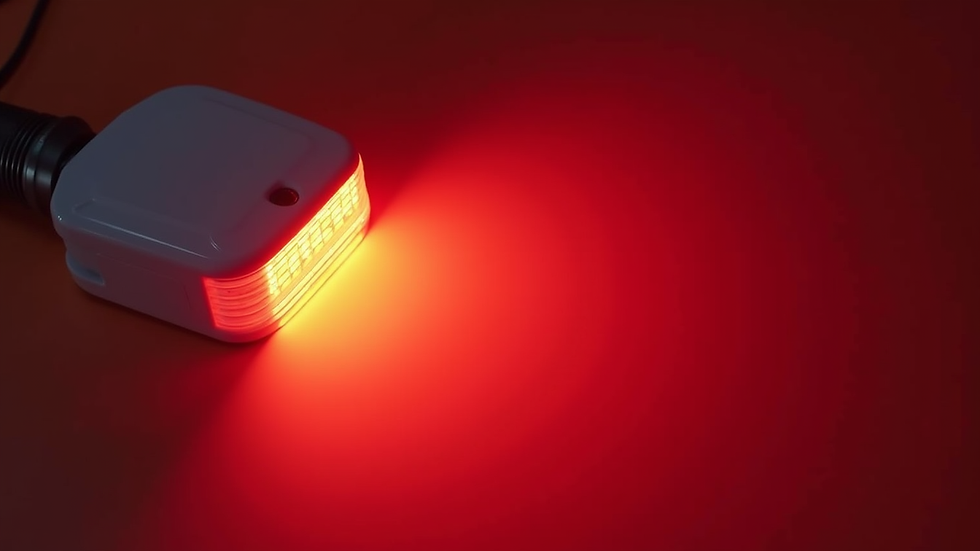
With the rise in popularity of red light therapy, numerous home devices are now available. These devices range from handheld units to larger panels. When using RLT at home, consider the following:
Wavelength: Look for devices that emit light in the 600-900 nm range for optimal results.
Treatment Duration: Sessions typically last between 10 to 20 minutes, depending on the device and the area being treated.
Consistency: For best results, incorporate RLT into your routine several times a week.
Professional Treatments
For those seeking more intensive treatments, professional red light therapy sessions are available at various wellness centers. These sessions often utilize more powerful devices and can provide targeted treatment for specific issues.
Customized Treatments: Professionals can tailor treatments to individual needs, addressing specific areas of pain or injury.
Combination Therapies: Many clinics offer RLT in conjunction with other therapies, such as physical therapy or massage, enhancing overall effectiveness.
Safety and Considerations
While red light therapy is generally considered safe, there are a few considerations to keep in mind:
Skin Sensitivity: Some individuals may experience mild skin irritation. It’s essential to start with shorter sessions and monitor your skin’s response.
Eye Protection: Direct exposure to bright light can be harmful to the eyes. Always use protective eyewear when undergoing RLT.
Consultation: If you have underlying health conditions or are pregnant, consult with a healthcare professional before starting red light therapy.
Conclusion
Red light therapy is a promising tool for enhancing movement and overall wellness. By improving muscle recovery, enhancing performance, and providing pain relief, RLT can support a more active lifestyle. Whether through home devices or professional treatments, incorporating red light therapy into your routine can lead to significant health benefits.
As you explore the potential of red light therapy, consider how it can fit into your wellness journey. Embrace this innovative approach to enhance your movement and overall well-being.


Comments