Maximize Your Recovery with Self-Service Red Light

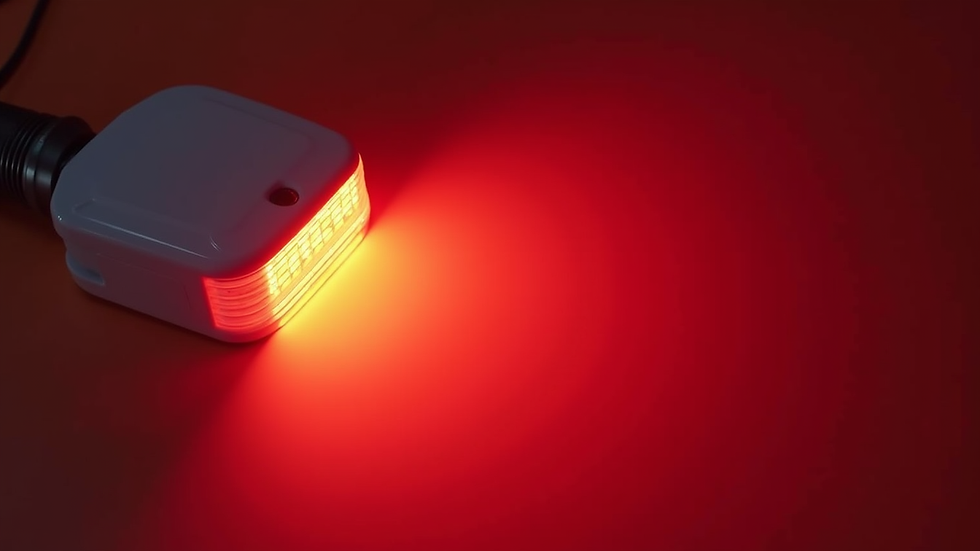
In the quest for optimal health and recovery, many individuals are turning to innovative solutions that promise to enhance their well-being. One such method gaining traction is self-service red light therapy. This non-invasive treatment harnesses the power of specific wavelengths of light to promote healing, reduce inflammation, and improve overall recovery. In this post, we will explore the science behind red light therapy, its benefits, practical applications, and how you can incorporate it into your recovery routine.

Understanding Red Light Therapy
Red light therapy (RLT) involves exposing the skin to low levels of red or near-infrared light. This light penetrates the skin and is absorbed by the cells, stimulating various biological processes. The wavelengths typically used in RLT range from 600 to 1000 nanometers, which are known to be effective in promoting cellular function.
How Does It Work?
The mechanism behind red light therapy is relatively straightforward. When the light is absorbed by the mitochondria in our cells, it enhances the production of adenosine triphosphate (ATP), the energy currency of the cell. Increased ATP production leads to improved cellular function, which can accelerate healing and recovery.
The Science Behind the Benefits
Numerous studies have highlighted the benefits of red light therapy. Here are some key findings:
Reduced Inflammation: Research indicates that red light therapy can significantly reduce inflammation, making it beneficial for conditions like arthritis and muscle soreness.
Enhanced Wound Healing: A study published in the Journal of Clinical and Aesthetic Dermatology found that RLT can speed up the healing process of wounds and injuries.
Pain Relief: Many users report decreased pain levels after undergoing red light therapy, which can be particularly helpful for athletes recovering from injuries.
Benefits of Self-Service Red Light Therapy
Self-service red light therapy offers a range of benefits that make it an attractive option for individuals looking to enhance their recovery process.
Convenience and Accessibility
One of the most significant advantages of self-service red light therapy is the convenience it offers. With portable devices available for home use, individuals can easily incorporate therapy into their daily routines without the need for appointments or travel.
Cost-Effectiveness
Investing in a personal red light therapy device can be more cost-effective in the long run compared to regular sessions at a clinic. While the initial purchase may seem high, the savings on multiple therapy sessions can add up quickly.
Customization
Self-service devices allow users to tailor their therapy sessions to their specific needs. Whether you are targeting a particular area of the body or adjusting the duration of the treatment, having control over your therapy can enhance its effectiveness.
How to Use Red Light Therapy
Incorporating red light therapy into your recovery routine is straightforward. Here are some practical steps to get started:
Choose the Right Device
When selecting a red light therapy device, consider factors such as wavelength, power output, and size. Look for devices that emit light in the 600 to 1000 nanometer range for optimal results.
Determine Treatment Areas
Identify the areas of your body that require treatment. Whether you are dealing with muscle soreness, joint pain, or skin issues, focusing on specific areas can enhance the therapy's effectiveness.
Establish a Routine
Consistency is key when it comes to red light therapy. Aim for regular sessions, ideally several times a week. Start with shorter sessions (around 10-15 minutes) and gradually increase the duration as your body adapts.
Monitor Your Progress
Keep track of your recovery progress. Note any changes in pain levels, inflammation, or overall well-being. This will help you assess the effectiveness of the therapy and make necessary adjustments to your routine.
Real-Life Applications of Red Light Therapy
Red light therapy is being used in various settings, from professional sports teams to wellness clinics. Here are some examples of how individuals and organizations are utilizing this innovative treatment:
Athletes and Sports Recovery
Many professional athletes are incorporating red light therapy into their recovery protocols. For instance, the NBA's Golden State Warriors have been known to use RLT to help players recover from injuries and improve performance. The therapy aids in reducing muscle soreness and accelerating healing, allowing athletes to return to their training regimens faster.
Physical Therapy Clinics
Physical therapists are increasingly recommending red light therapy as part of their treatment plans. By combining RLT with traditional therapies, practitioners can enhance patient outcomes and provide a more comprehensive approach to recovery.
Home Use for Everyday Wellness
Individuals seeking to improve their overall wellness are also turning to self-service red light therapy. From reducing skin blemishes to alleviating chronic pain, users report a variety of benefits that contribute to their daily well-being.
Safety and Considerations
While red light therapy is generally considered safe, there are a few considerations to keep in mind:
Skin Sensitivity
Some individuals may experience mild skin sensitivity after using red light therapy. If you notice any discomfort, reduce the duration of your sessions or consult with a healthcare professional.
Eye Protection
When using red light therapy devices, it is essential to protect your eyes. Many devices come with safety goggles, and it is advisable to wear them during treatment to prevent any potential harm to your vision.
Consult a Professional
If you have underlying health conditions or are unsure about using red light therapy, it is always best to consult with a healthcare professional. They can provide personalized advice and ensure that the therapy is suitable for your needs.
Conclusion
Self-service red light therapy presents a promising avenue for enhancing recovery and overall well-being. By understanding the science behind it and incorporating it into your routine, you can take proactive steps toward improving your health. Whether you are an athlete looking to speed up recovery or someone seeking relief from chronic pain, red light therapy may be a valuable addition to your wellness toolkit.
As you explore this innovative treatment, remember to choose the right device, establish a consistent routine, and monitor your progress. With dedication and the right approach, you can maximize your recovery and enjoy the benefits of self-service red light therapy.

Comments